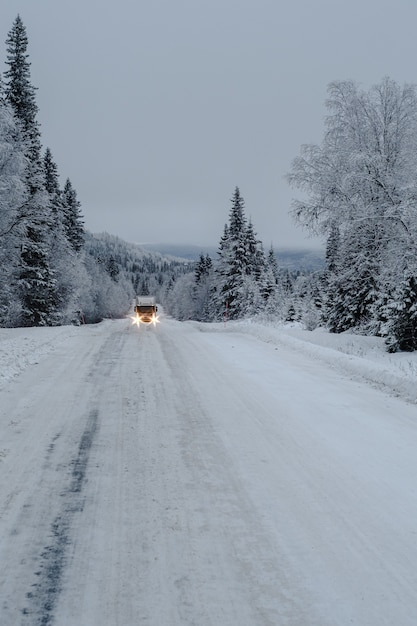
Weather presents its own problems on our roads but severe weather presents even more of a challenge, from keeping the travel networks open to those who are having to manage the difficult and often dangerous conditions. It is not just the winter which causes problems on our roads, heavy rain during the year at any time brings problems. 9 out of 10 deaths related to weather conditions and serious injuries on the roads happen due to rain. High winds, strong sunlight, fog, snow and ice all present their own challenges and dangers. At What’s My Claim Worth our lawyers deal with many client’s whose injuries are caused by travelling in adverse weather conditions. One of the most important things to do before setting off on a journey is to check the forecast and plan well ahead of the day you are travelling. If it is a journey you can avoid, then avoid it or travel later on when the weather has calmed.
It doesn’t have to be extreme weather conditions to cause problems, even moderate rain reduces your ability to see and for others to see you. A good adage to remember: “If it’s time for your wipers, it’s time to slow down”. If the rain is torrential avoid your journey until it clears. If you must travel, use main roads where you are less likely to be exposed to flooding, debris on the roads, fallen trees and branches. Wind can move vehicles when there are strong gusts so always grip your steering wheel firmly with both hands when driving in these strong winds and always always remember to hold your steering wheel when overtaking other vehicles. Look out for bridges over rivers or railways and gaps between trees or buildings as this is where you are exposed to side winds. Ensure you allow sufficient room on both sides of your vehicle so you can allow for being blown sideways in the high winds.
Roads are extremely slippery when it has been or is raining so you must allow more time to react. Increase your gap to at least 4 seconds from the moving vehicle in front and make sure you keep looking at the road as spray from the road surface and other vehicles can reduce your visibility. If you find the road you are on has become flooded, avoid driving through it, just turn round and go a different route. The number 1 cause of death during flooding is when people drive through flood water. Stay away from swollen rivers and never walk or drive through flood water. Although the water may appear shallow, it literally takes 12 inches (30 cm) of moving water to float your car, and you could then be taken out to deeper water. Flood water also contains hidden hazards which could easily damage your car. Did you know just one egg cupful of water sucked into your car’s engine can lead to severe damage!
Keep an extra eye out for cyclists, motorcyclists and pedestrians. Always make sure you give vulnerable road users more room as they are much more likely to be blown by side winds. Always keep a safe distance! Avoid walking through flood water, even shallow moving water could knock you off your feet and cause injury, even death. Keep children and pets away from flood water as it may contain heavy debris, sharp objects, open manhole covers, sewage or chemicals. The Highway Code says you must use headlights when visibility is seriously reduced and they say this is when you cannot see more than 100 metres in front of you.
Here are some tips for driving in fog:
Be familiar with how to use fog lights.
If the fog is so severe you are struggling to see other vehicles, switch on your fog lights.
If your lights are automatic, check these are actually on, as they may not automatically activate in fog. Remember to never use your full beam as fog reflects the light back, reducing visibility even further for you but this will also daze the car in front of you and you could cause them to have an accident.
Follow the 2 second rule making sure there is always sufficient space between you and the vehicle in front.
If visibility is limited, wind down all of your windows at junctions/crossroads to be able to listen for approaching traffic. If you cannot see at all, stop until it is safe to carry on.
If your vehicle is fitted with air conditioning, this will prevent your windows misting up. Ensure your heater is set to windscreen de-misting and open every vent.
Avoid travelling in the fog and only travel when it is absolutely necessary. Snow ploughs cannot get through if roads are full of stationary traffic, so do not make unnecessary journeys. Avoid going up hills and exposed roads as these present more challenging driving conditions in adverse weather. Before you set off clear any snow, frost or condensation from your windscreen. You must be able to see out of every window in your vehicle. Some useful tips for driving in the snow include:
Be extra cautious at road junctions where road markings are not visible.
You may need 10 times the normal gap between your car and the car in front.
Accelerate gently, using low revs.
You may need to take off in second gear to avoid skidding.
Never brake suddenly as it could lock your wheels and make you skid.
If you have been injured as a driver, passenger, motorcyclist, cyclist or pedestrian in the last 3 years, our specialists at What’s My Claim Worth are here to help you.
Call 01244 568 535 to see how we can help you claim compensation for your injuries and financial losses.
What’s My Claim Worth is the Personal Injury Department of Oliver & Co Solicitors, rated on Trustpilot as excellent!
If you’ve been injured in a road traffic accident that wasn’t your fault, making a compensation claim might seem daunting. Many people worry they’ll have to go to court, complete endless paperwork or
Being involved in a road traffic accident can be a frightening and overwhelming experience. In the moments afterwards, it’s often difficult to think clearly, particularly if you’ve been injured