


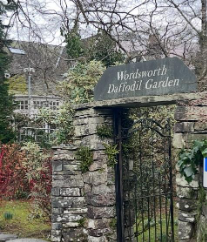
Recently, I had the privilege of visiting a young client in the Lake District who is recovering from a serious injury following a road traffic collision. As I travelled to meet them, I was surrounded by the breathtaking natural beauty of the area, which served as a reminder of the invaluable role nature can play in the recovery process—not just for those healing from injuries, but also for the families who support them.
In today’s fast-moving world, injury recovery typically involves a combination of medical treatments, rest, counselling, and rehabilitation exercises. However, one often-overlooked aspect of healing is the restorative power of nature. Research and personal experiences alike highlight how time spent in natural environments can significantly aid both physical and mental recovery.
Adjusting to life after a serious injury can be overwhelming, particularly when the injury is the result of another’s negligence. As injury law specialists, one of our key roles is to support our clients in their rehabilitation, ensuring they receive early intervention to help maximize their recovery and function.
While walking through Grasmere on my way home—a place famously associated with Wordsworth—I felt my daily stresses melt away as I took in the beauty of my surroundings. This experience made me wonder about the missed opportunities for clients who may not be fully aware of the profound benefits nature can offer during their recovery journey.
The Physical Benefits of Nature in Recovery
- Reduced Inflammation and Pain Relief
Being in natural settings has been shown to lower inflammation, a key factor in the body’s recovery from injuries. Exposure to fresh air, natural light, and the tranquil environment of a park or forest can help reduce stress-induced inflammation, supporting the body’s ability to heal.
- Improved Mobility and Strength
Gentle physical activity in an outdoor setting, such as walking on soft terrain, can encourage movement without excessive strain on an injured area. Unlike the predictable environment of a gym or indoor rehab facility, nature offers varied landscapes that promote natural movement, helping to improve coordination and balance.
- Enhanced Immune Function
Studies have found that spending time in nature boosts immune system activity. Phytoncides, natural compounds released by trees, have been shown to enhance the body’s ability to fight infections and accelerate wound healing.
Mental and Emotional Benefits
- Stress Reduction and Mental Clarity
Recovering from an injury can be a stressful and frustrating process. Time in nature lowers cortisol levels—the body’s primary stress hormone—while increasing feelings of relaxation. The sound of rustling leaves, the sight of flowing water, or even a short walk through a green space can have a profound calming effect on the nervous system.
- Mood Enhancement and Reduced Anxiety
Nature exposure has been linked to increased production of serotonin and dopamine, brain chemicals responsible for happiness and motivation. For individuals coping with the emotional toll of injury recovery, time outdoors provides a natural, drug-free way to boost mood and ease anxiety.
- Increased Focus and Motivation
Spending time in natural surroundings can improve cognitive function and concentration. This is especially beneficial for individuals undergoing rehabilitation, as staying mentally engaged and motivated is crucial for progress.
Practical Ways to Incorporate Nature into Recovery
Not everyone has the advantage of living in an area of outstanding natural beauty or the ability to travel easily to local green spaces. However, there are still simple ways to integrate nature into the healing process:
- Outdoor Walks: Even short strolls in a park or along a tree-lined street can be beneficial.
- Gardening: Light gardening or tending to plants can provide gentle movement and a sense of accomplishment.
- Outdoor Meditation or Yoga: Practicing mindfulness or stretching exercises in nature fosters relaxation and supports healing.
- Water Therapy: Swimming or wading in natural water bodies offers low-impact rehabilitation benefits.
- Simply Sitting in Nature: Sometimes, just breathing in fresh air and soaking up the sights and sounds of the outdoors can be incredibly restorative.
While medical treatments and rehabilitation remain essential components of injury recovery, integrating nature into the healing process offers significant physical, mental, and emotional benefits. By embracing the natural world, individuals recovering from injuries can accelerate their physical healing and enhance their overall well-being. Whether it’s a walk in the park or a retreat into the forest, nature provides a powerful and accessible tool for recovery.
At What’s My Claim Worth, we recognise that our responsibility extends beyond securing the best financial outcome for our clients. We are also committed to helping them achieve the highest possible level of physical and emotional recovery, ensuring they can rebuild their lives with strength and confidence. If you need help in pursuing a claim, please call us on 01244 568 535.
Allison Pepper, Associate Director and Specialist Road Traffic Accident Solicitor